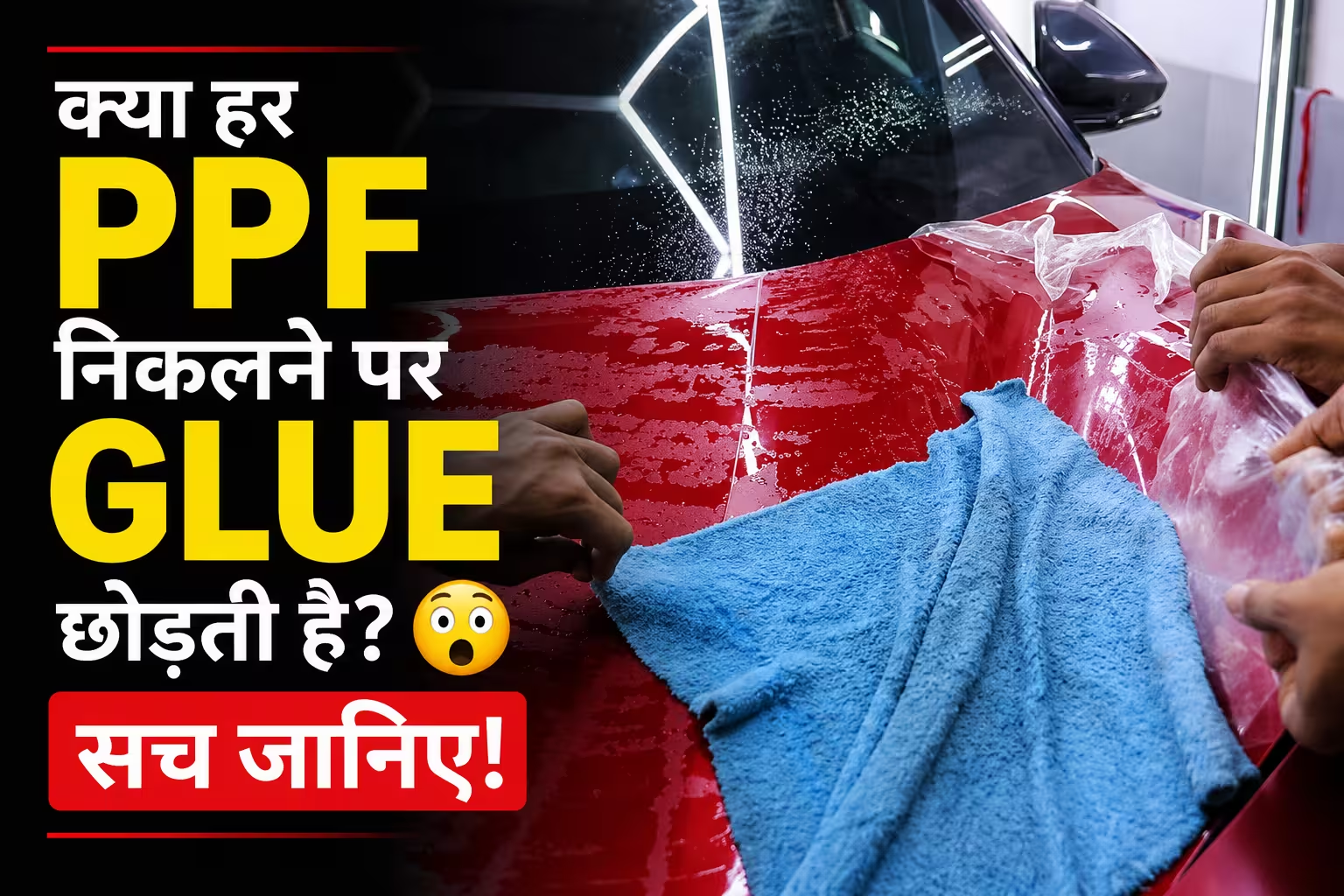

Does PPF Leave Glue When Removed?
Does PPF Leave Glue When Removed? This is one of the most common questions asked by car owners before installing Paint Protection Film (PPF).
Many people worry that removing PPF will leave sticky adhesive residue or damage the original paint. The truth is that not every PPF leaves glue behind. It depends on the quality of the film, installation, age, and the removal technique.
If you’re planning to install a Paint Protection Film (PPF) on your car, you’ve probably heard this common concern: “Will PPF leave glue behind when it’s removed?” Many car owners hesitate to invest in PPF because they worry about adhesive residue or damage to the original paint.
The good news is that not every PPF leaves glue behind when removed. The outcome depends on the quality of the film, how long it has been on the vehicle, the installation process, and the removal technique. Let’s understand the facts.
Does Every PPF Leave Glue Behind?
No. A high-quality Paint Protection Film installed and removed correctly usually leaves little to no adhesive residue. Premium PPF brands are designed with advanced adhesives that provide strong bonding while allowing clean removal within the recommended service life.
However, poor-quality films or improper removal can leave adhesive residue that requires professional cleaning.
Why Does Some PPF Leave Glue Behind?
Several factors determine whether adhesive remains on your vehicle after PPF removal.
1. Quality of the Paint Protection Film
Not all PPF products are made the same. Premium brands such as 3M and Garware use high-performance adhesives engineered for durability and clean removal.
Low-cost or counterfeit films often use inferior adhesives that become brittle over time, increasing the chances of glue residue.
2. Age of the Film
Every PPF has a recommended lifespan. If the film remains on the vehicle well beyond its warranty period, prolonged exposure to sunlight, heat, and pollution can degrade the adhesive.
Older films are more likely to leave residue than films removed within their recommended replacement period.
3. Climate and Vehicle Usage
Vehicles parked outdoors in harsh sunlight or extreme weather conditions experience faster adhesive aging. Constant UV exposure and high temperatures can make the adhesive bond more aggressively with the paint.
4. Installation Quality
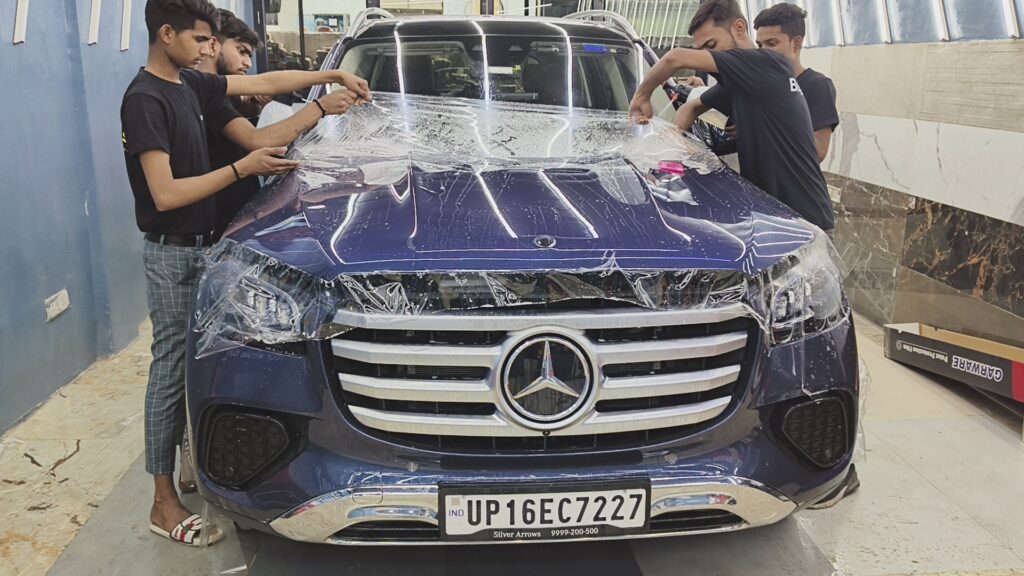
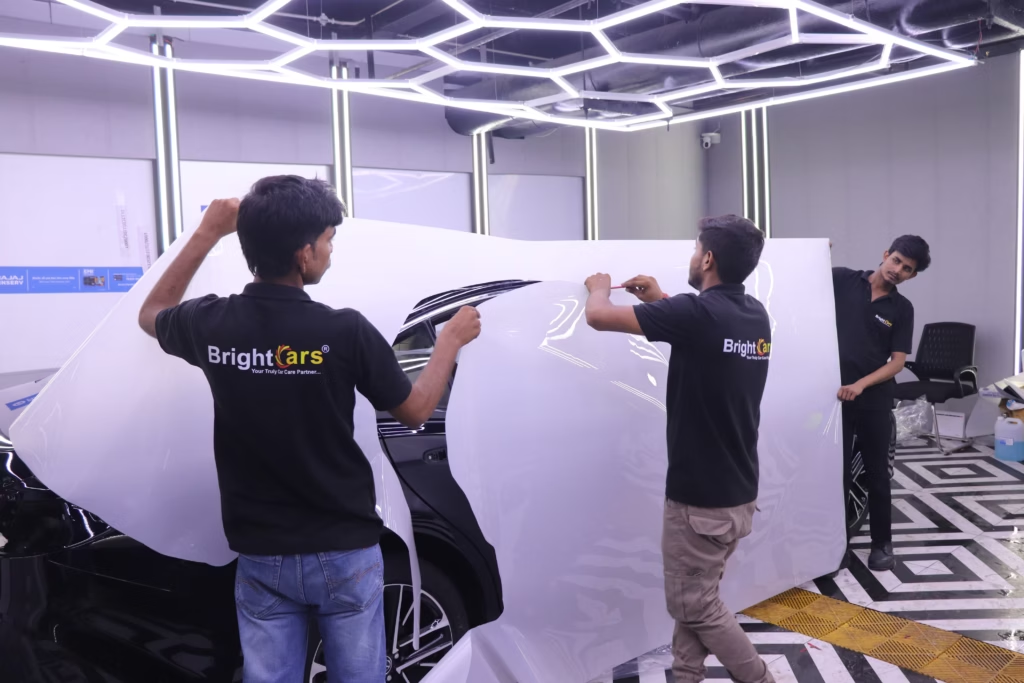
Professional installation plays a major role. Certified installers use proper surface preparation and installation techniques that make future removal much safer.
Improper installation or contamination beneath the film may complicate the removal process.
5. Removal Technique
This is one of the most important factors.
Professional detailers use controlled heat and remove the film at the correct angle to soften the adhesive and reduce residue. Pulling the film off quickly or removing it without heat can increase the chances of adhesive remaining on the paint.
Will Glue Damage the Original Paint?
In most cases, no.
If adhesive residue remains after removing the PPF, professional detailing studios use automotive-safe adhesive removers to clean the surface without harming the factory paint.
The biggest risk comes from using sharp tools, excessive force, or harsh chemicals during removal. That’s why PPF should always be removed by trained professionals.
How to Avoid Glue Residue
To minimize adhesive residue during PPF removal:
- Choose a premium PPF brand.
- Get the film installed by certified professionals.
- Replace the PPF within the manufacturer’s recommended lifespan.
- Avoid leaving damaged or peeling PPF on the car for years.
- Always have the film removed by an experienced detailing studio.
Is It Worth Installing PPF?
Absolutely.
A quality Paint Protection Film protects your vehicle from:
- Stone chips
- Minor scratches
- Road debris
- Bird droppings
- Tree sap
- UV damage
- Chemical stains
When professionally installed and maintained, PPF helps preserve your car’s original paint and resale value while maintaining a showroom-like finish.
Final Thoughts
The belief that every PPF leaves glue behind when removed is simply a myth.
Premium Paint Protection Films, installed and removed by experienced professionals, generally come off cleanly without damaging your vehicle’s original paint. Even if a small amount of adhesive remains, it can be safely removed using professional detailing products and techniques.
If you’re considering PPF installation or replacement in Noida, choose an authorized PPF installation studio with certified technicians and genuine products to ensure the best long-term results.